
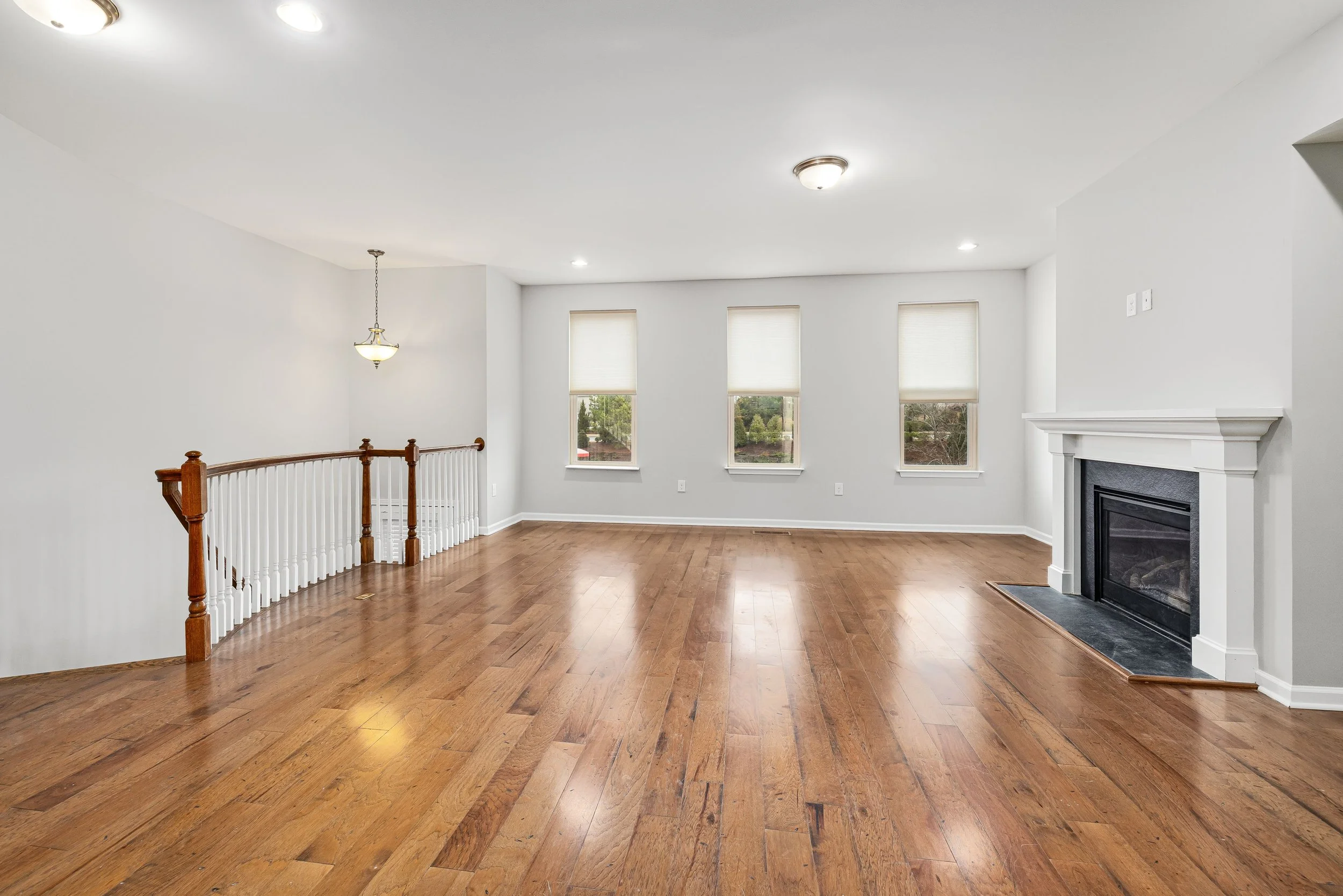
What to Do in a New House Before You Move In
The weeks between closing and the moving truck are the best time to strip wallpaper, refinish floors and change the locks. Here's what to do, in what order, and how to run it from the city.
Before you move into a new house, do the work that's hard to do once you live there: strip old wallpaper, paint, refinish the floors, change the locks, and have the chimney and the heating and cooling checked. Leave walls and kitchens for later. Live in the house first and you'll make better decisions about the big changes.
This is for the buyer coming out from Manhattan, Brooklyn, Hoboken or Jersey City to Chatham, Short Hills or Summit, who closes on a house while still working in the city. I was that buyer.
What I learned getting my own house in Summit ready
My family bought our house in Summit while we were still living in New York City. It was our first house, the biggest thing we had ever bought, and honestly we were a little scared of it.
We made one decision early that I'd make again: no renovation yet. We wanted to live in the house first. We wanted to learn how we actually walked through it, which walls made sense and which didn't, what we loved about an old house and what we didn't. Then we'd spend money on the things that mattered.
But a few things had to happen before the truck came. The floors needed sanding and refinishing. The old wallpaper had to come off. Everything needed paint. We wanted the house cleaned and the windows washed, and the chimney and the heating and cooling checked.
That short list turned into five or six different people. The painter we hired didn't strip wallpaper, and he wouldn't skim coat the walls once it was off, so we needed someone for that. The floors were another crew. The locks were a locksmith. Baby-proofing was someone else again. We didn't know a single tradesperson in town, and we were at work in Manhattan most days.
Our real estate agent had been great through closing and then, understandably, moved on to the next sale. They could suggest names. They couldn't run the job.
That gap, between closing and move-in, is a big part of why Steward Projects exists. Someone out here has to be the owner's eyes and ears while the owner is still packing up an apartment.
Should you renovate before you move in, or live in the house first?
For most first-time buyers, live in the house first. You don't know yet which door you'll use every day, where the light lands in the morning, which room the kids will take over, or whether the kitchen layout bothers you or only looked odd in the listing photos. A wall you take out in the first month is a guess.
What makes sense before move-in is the cosmetic work that's miserable to do around furniture and a family: wallpaper, paint, floors, a deep clean. That work is faster and cheaper in an empty house. The structural decisions can wait until you know the house.
What should you get done before the moving truck arrives?
These are the jobs that belong in an empty house:
- Wallpaper removal and skim coating. Old wallpaper often hides damaged plaster or drywall. Once it's off, the walls usually need a thin coat of joint compound before they'll take paint well. Ask your painter up front whether they do both, because many don't.
- Interior painting, ceilings included. Bedrooms first if you're short on time.
- Floor sanding and refinishing. Nobody can walk on fresh finish, so this is the one job that's very hard to do once you live there.
- A deep clean, inside cabinets and closets, plus windows inside and out. Anything above a six-foot ladder goes to a window company.
- New locks. You don't know how many keys the previous owners handed out. Have a locksmith rekey or replace every exterior lock, and reset the garage door and alarm codes. We hold keys for our clients, so we don't work on locks ourselves. We bring a locksmith and we're there when they come.
- Smoke and carbon monoxide alarms tested, with the date printed on the back of each one checked. Alarms past their replacement date get replaced, and hardwired ones are a job for an electrician.
- Baby-proofing: gates, cabinet locks, outlet covers, and dressers and bookshelves anchored to the wall.
- The main water shut-off found and tagged, and the electrical panel labeled, so nobody is hunting for them on a bad night.
What order should the work go in?
The order saves money because each step protects the one before it.
- Locks, first. Do it the week you close, before anyone else has a reason to come and go.
- Inspections and anything that might open a wall. If the electrician or plumber needs to cut into drywall, you want that done before the painter arrives, not after.
- Wallpaper off, walls repaired and skim coated.
- Paint, ceilings first, then walls and trim.
- Floors last of the messy work, so ladders and paint drips never touch the new finish.
- Touch up the baseboards, then clean and wash the windows.
- Furniture once the floor finish has cured. Ask the floor refinisher how long the finish they're using needs before furniture, and how much longer before rugs. Rugs usually have to wait longer.
If the house was built before 1978, the painter should test old trim and doors for lead before sanding them. Our post on how to tell if your painter is doing proper prep explains what to look for.
What should you check if you waived the inspection?
In a market this competitive, some buyers win a house by skipping the inspection or keeping it "for information only." That's a real trade-off, and it means a few things are worth checking in the first weeks:
- The chimney. The Chimney Safety Institute of America says a Level II inspection, which includes a camera look inside the flue, is called for when a property is sold. Book it before your first fire.
- Heating and cooling. A service visit, new filters, and a look at the date of the last service.
- The water heater. Its age and when it was last flushed. Here's how often a water heater should be flushed.
- The dryer vent. A clogged one is a fire risk, and you have no idea when it was last cleaned. Here's how to clean a dryer vent.
- Radon. The New Jersey Department of Environmental Protection recommends testing every home for radon, whatever the town.
- The sump pump, if there is one. Pour in a bucket of water and watch it start.
- The sewer line, if the house is old and has big trees out front. Ask a plumber about a camera inspection.
None of these is an emergency on day one. They're the things you'd rather know before the boxes are in.
How do you manage the work if you still live in the city?
Put one person in charge who is actually here. In our case, that person does this:
- Books the trades in the right order, so the floor crew isn't waiting on a painter who's running late.
- Lets every trade in and locks up after. We never hand a contractor a key or a door code, and in an empty house that matters more, not less.
- Checks the work before you pay for it.
- Sends photos every day, so you see the house from your desk.
- Brings you each decision with a recommendation. "The paint sample on the north wall looks gray at 4 o'clock. Want to see the warmer one?" You answer by text.
A project can run two ways. We choose the trades and give you one fixed price, or you have people you already like and we run them for a fee agreed up front. Your quotation says which one applies. If what you want is a full renovation, that's a general contractor's job, and we'll tell you so and introduce you to ones we'd use ourselves.
Keep every invoice from this stage in one place. Some move-in work, like new flooring or a new heating system, counts as an improvement to the house, and that matters for taxes the day you sell. Painting doesn't. Here's more on what to fix before selling a house, and which receipts to keep.
When to call a professional
- Anything electrical beyond resetting a breaker or a GFCI outlet. Outlets that don't work, a light that flickers, a hardwired smoke alarm: that's a licensed electrician.
- Taking out a wall. Even one that looks like it isn't holding anything up needs a contractor or engineer to confirm it, and usually a permit from the town.
- A gas smell. Leave the house and call the gas utility or 911 from outside.
- Plumbing beyond finding and closing a shut-off valve.
- Anything on the roof or above a six-foot ladder. Look from the ground and call a roofer if something looks wrong.
- Old paint in a pre-1978 house. Sanding should be done by a painter certified for lead-safe work.
If you'd like one person running all of it, that's what Steward Projects is for.
Frequently asked questions
How long does it take to get a house ready before move-in?
It depends on the list and on how booked the trades are. The floors usually set the end date, because the finish needs time before furniture goes in. Work backward from your moving day and book the floor refinisher first.
Can work be done on the house before I move in if I'm not there?
Yes, as long as someone you trust is there to let each trade in, check the work and lock up. With daily photos and decisions by text, you don't need to come out at all.
Should I change the locks on a house I just bought?
Yes. You can't know how many keys the previous owners gave to cleaners, dog walkers, contractors or neighbors. A locksmith can rekey the existing locks, which is usually cheaper than replacing them.
Should I refinish the floors before or after painting?
After, in most houses. Painting means ladders, drop cloths and the odd drip, and you don't want any of that on a new finish. The painter comes back for a quick baseboard touch-up once the floors are done.
If you'd rather have someone out here getting the house ready while you finish up in the city, that's what we do.
The Home Steward is a home management service based in Summit, New Jersey, run by Sebastian and Kory, caring for homes in Summit, Chatham, Short Hills and Millburn.